
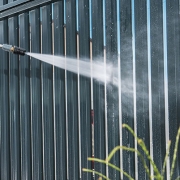
Pressure washing is well known for deep cleaning of patios, driveways, decking, sandstone, gutter and soffits. However, there are many other less knows uses for it.

Bicycles and sports gear
If you’re fed up with returning from a bike ride and spending a considerable amount of time scrubbing off mud and grime with a bucket and sponge, give this a try right away. Bikes clean up nicely with pressure washing. For bicycles and motorcycles, a pressure washer offers a deep clean while still being gentle on the paint, as long as the correct pressure setting is applied.

Wooden fences
Pressure washers are perfect for cleaning wooden surfaces like fences, provided the appropriate nozzle and pressure are selected to avoid damaging the wood.

Wheelie bins
Cleaning the trash bins is a daunting chore, but it’s essential for removing dirt and stopping maggots. A pressure washer is an effective solution to blast away the filth.

Garden sheds and summer houses
Pressure washing is great to freshen up garden structures such as sheds, summerhouses and studios.

Patio furniture
When you remove those protective covers that have been shielding your garden furniture from the harsh winter, you might find them looking a bit worn and possibly developing algae in hard-to-reach spots. Rather than grabbing a scrubbing brush and a bucket of soapy water, opt for your pressure washer instead.

 

Ever wondered when and how pressure washing came about?

The inception of pressure washing is the result of a happy accident. In 1926, while employed by a company producing gas-fired water heaters and boilers, Frank W. Ofeldt II developed the first steam pressure washer in the United States.

His brilliant idea for what would lay the groundwork for modern pressure washing emerged while he was experimenting with a portable whiskey distiller in his garage in Pennsylvania. During this process, he observed that when the steam outlet was pointed downward, the wet steam contacted his grimy garage floor, causing the accumulated grease to shift. He recognized that steam, being a gasified liquid without mass, could only move the grease rather than eliminate it, prompting him to create a machine capable of doing so, thus initiating pressure washing.

The science and technology surrounding pressure washing and the cleaning of exterior surfaces continually advances. Our pressure wash professionals honors the legacy of pressure washing and stay updated with the latest innovations.

Dirt and debris can easily build up on patio slabs. Over time, this can lead to an extremely dirty patio that’s not only unsightly but can also become slippery and unsafe. This tutorial will walk you through the best ways to clean patio slabs.

The soapy water method
For those who prefer a non-chemical patio cleaner, the soapy water approach is a simple alternative that can be used on just about any paving type.

The vinegar and water solution technique
White vinegar serves as a powerful cleaning solution that is eco-friendly and highly efficient for cleaning patio stones.

The bleach cleaning technique
Bleach is a strong and affordable cleaning option that can effectively manage dirt, black spots, moss and algae on patio stones, making it appropriate for various paving materials such as natural stone or concrete. However doing so frequently can weaken pointing and fade natural stone. It is also harmful to garden life – killing grass, flowers and bees.

Pressure washing
For those challenging cleaning tasks, a pressure washer stands out as the preferred method for cleaning patios thoroughly. It is particularly effective for larger outdoor spaces and areas with heavy foot traffic and it is environmentally friendly.

For more information about professional pressure washing in Edinburgh, the Lothians and Fife, give Alpine Pressure Washing Edinburgh a call.

Laminate Flooring
If you have laminate flooring in outdoor spaces, using a pressure washer is definitely unsafe. The intense pressure can lift the laminate, damage its protective layer and push water beneath the layers – resulting in warping or buckling.

Windows and Glass
While it might feel like a simple method to eliminate dirt, smudges and fingerprints – windows and glass are not suited for pressure washing. The high-pressure water can crack or shatter the glass, which could lead to expensive repairs or replacements. Even tougher glass types, such as double-glazed windows, are at risk because water can infiltrate the seals, causing long-term problems like fogging between panes.

Aged Concrete
You might assume that pressure washing is appropriate for concrete due to its durability. However, older concrete surfaces can actually suffer damage and cracking from pressure washing. High-pressure water can erode the top layer of concrete, particularly if it has already been weakened by years of environmental exposure. This erosion can result in pitting, cracks or spalling (flaking off).

Electrical Panels and Meter Boxes
It’s obvious that combining water and electricity is a dangerous mix, which is why electrical panels, meters, outdoor outlets and any other electrical devices should never be subjected to pressure washing. The high-pressure water can penetrate electrical components, potentially causing short circuits, electrical fires or even total equipment failure.

If you are unsure whether pressure washing is suitable for the surface you want to clean, our team at Alpine Pressure Washing Edinburgh will be able to advise.