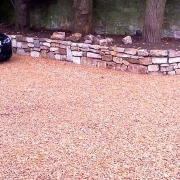
Resin bound driveways are susceptible to accumulating various types of dirt and grime, depending on their usage and location. They are present at residential properties, commercial sites and even in garage forecourts, where they can be exposed to substances like engine fluids, grease, oil, tire marks, dirt, pollution, bird droppings and fuel spills. This results in unattractive stains and diminishes the overall appearance of your resin driveway. Additionally, residue on the surface can pose a safety risk by creating a slip hazard, particularly in wet conditions.

Resin driveways are prone to staining, so regular cleaning is advised. During rainy periods, our great Scottish weather will assist with some natural cleaning, but it’s also advisable to rinse the surface with water if you see a recent spill. Stubborn, deep-set stains will need more intensive cleaning techniques, like pressure washing.

Pressure washing is among the most effective ways to clean a resin driveway, proficiently eliminating dirt, oil, persistent stains and other buildups on the surface. This method utilizes a high-pressure water stream to blast away grime without harming the resin. Consistent pressure washing can significantly improve the appearance of your driveway, ensuring a safe and appealing surface outside your home.

For a free quotation call our Edinburgh office today.

Although pressure washing might appear to be a simple and quick method for cleaning your property, a lack of caution can lead to serious injuries. This task is better suited for skilled professionals. Attempting to pressure wash on your own can result in property damage, personal injuries and even serious health issues.

In recent years sales of pressure washers have surged as more individuals discover how effective pressure washing can be for expediting outdoor cleaning chores. For those who prefer not to purchase one, numerous companies offer pressure washer rentals.

The water pressure utilized by pressure washers is so intense that improper use can cause significant harm to both your property and yourself. Furthermore, the dangers associated with chemicals, mold, bacteria, electrical shock and carbon monoxide exposure can lead to lasting health complications.

If you are cleaning a surface that has mold, algae, or mildew, failing to wear proper PPE (personal protective equipment) might lead to inhaling these substances. This can exacerbate respiratory issues and cause illness.

Skin injuries and the possibility of compartment syndrome are significant risks. Compartment syndrome occurs when air, water, or debris becomes trapped beneath your skin, which can happen due to the high pressure exerted by pressure washers. This condition can cause serious infections in your muscles and tissues. If not addressed promptly, it may necessitate amputation of the affected limb.

Electric shock is another concern. Pressure washing is unique because some pressure washers run on electricity, despite the presence of water. This increases the likelihood of electrical shock, particularly when navigating around wires. Although many electric pressure washers come with safety features to reduce the risk of electrocution, caution is always advisable.

You should only undertake pressure washing yourself if you possess professional training and experience in the field.